Among them, the elevated railway sections
A place with historical value, rarely encountered in everyday life, is reborn as a destination within people’s reach.
Must the space above elevated railways simply disappear after they are moved underground?
Q
A

Seoul’s flexible growth
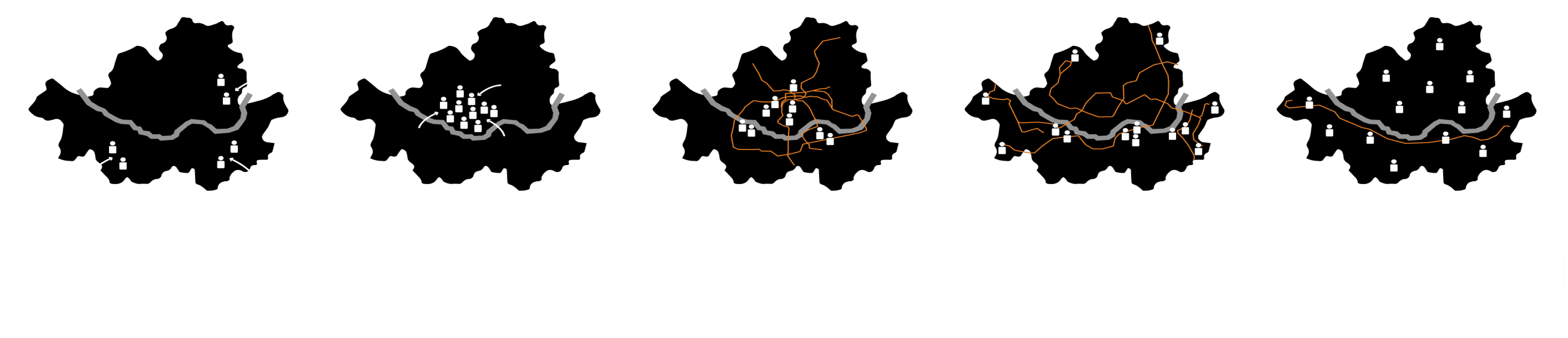
Balanced Development of Seoul
Connectivity Across All of Seoul
Connection Between Gangbuk and Gangnam
Overpopulation in Northern Seoul
Population Influx into Seoul
Sustainability
Diversity in Expansion
Speed and Quantity
Production and Consumption
Survival
1952 Seoul Urban Regeneration Plan
1966 Seoul Metropolitan Master Plan
1970 Urban Master Plan Adjustment
1972 Comprehensive Municipal Plan
1978 Draft of the Seoul Urban Master Plan
1980 Long- and Mid-Term Seoul Urban
Development Strategy
1984 Urban Master Plan
1990 Seoul Urban Master Plan
1997 Seoul Urban Master Plan
2006 Seoul Urban Master Plan
2014 Seoul Urban Master Plan
2022 Seoul Urban Master Pla
Seoul was severely damaged by war. Many people flocked to the city in search of survival, laying the foundation for Seoul’s economic growth. Despite the chaos, Seoul began to grow rapidly through reconstruction, securing new engines for development through recovery and expansion.
A City of Sustainability and Harmony
A City of Expansion and Diversity
A City of Speed and Quantity
A City of Production
A City of Survival
After the war, development centered around the city core progressed rapidly. Based on the concentrated labor force, light industries and other manufacturing sectors developed. The population surge expanded both the urban workforce and consumer demand, driving Seoul’s economic growth, while also causing serious traffic and housing problems.
To address the overconcentration in the city center, policies were implemented to decentralize core functions and population. One key measure was the construction of the subway system, forming a network across the entire city. In the process, a pragmatic approach focused on solving the greatest quantity at the highest speed was adopted. Major societal changes, including the Olympics and democratization movements, accompanied the development of infrastructure.
Policies and frameworks for redeveloping aging areas were established. Subway lines were extended to improve access between the city center and outer regions. As the information age emerged, Korean culture began to take shape, and Seoul began its leap toward becoming a global city.
Seoul seeks to preserve its identity by protecting its history and culture, while pursuing sustainability through environmentally focused policies. Pedestrian-oriented policies were implemented, along with the expansion of subway lines and the addition of transfer stations. Through smart technologies and urban regeneration, the city aims to harmonize tradition with the future.
Before the Introduction of the Subway
Severe traffic and housing problems due to high population density
First Phase of the Subway
(1974 - 1985 / Lines 1-4)
Establishment of a comprehensive network by connecting central Seoul
Second Phase of the Subway
(1996 - 2001 / Lines 5-8)
Connection between central Seoul and
its suburban areas
Third Phase of the Subway
(2009 - now / Line 9)
Expansion of routes and addition
of transfer stations
Seoul’s flexible development in pursuit of different values over time, and the subway playing a central role
Phase 1
Seongsu Line (Opened in 1980)
When Subway Line 2 was opened, the section from Sinseoldong Station to Jamsil Sports Complex Station was constructed as the main line.
Phase 2
Euljiro Circular Line(Opened in 1983)
Subsequently, as Line 2 was extended, the existing route was separated into the Seongsu Line.
Phase 3
Handmade Shoe Building (2002)
A building was constructed
between the Seongsu Line tracks.
Phase 4
Shipping Container (2016)
A container building selling hand- made shoes was placed along the railway beneath the Euljiro Circular Line elevated railway.
Among them, the elevated railway sections
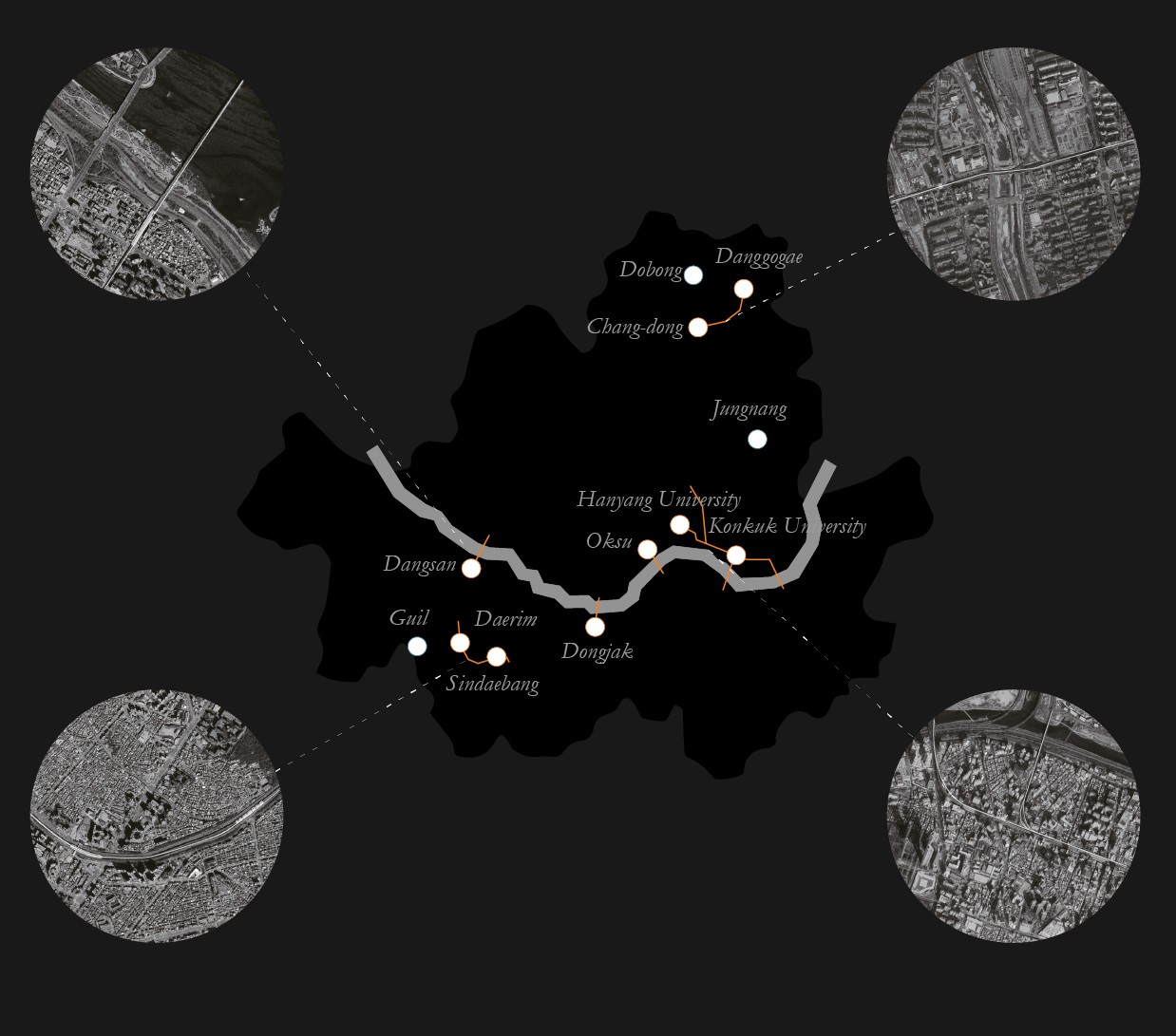
Ttukseom Station to Seongsu Station Section
Daerim Station to Sindaebang Station Section
Chang-dong Station to Danggogae Station Section
Dangsan Station Area
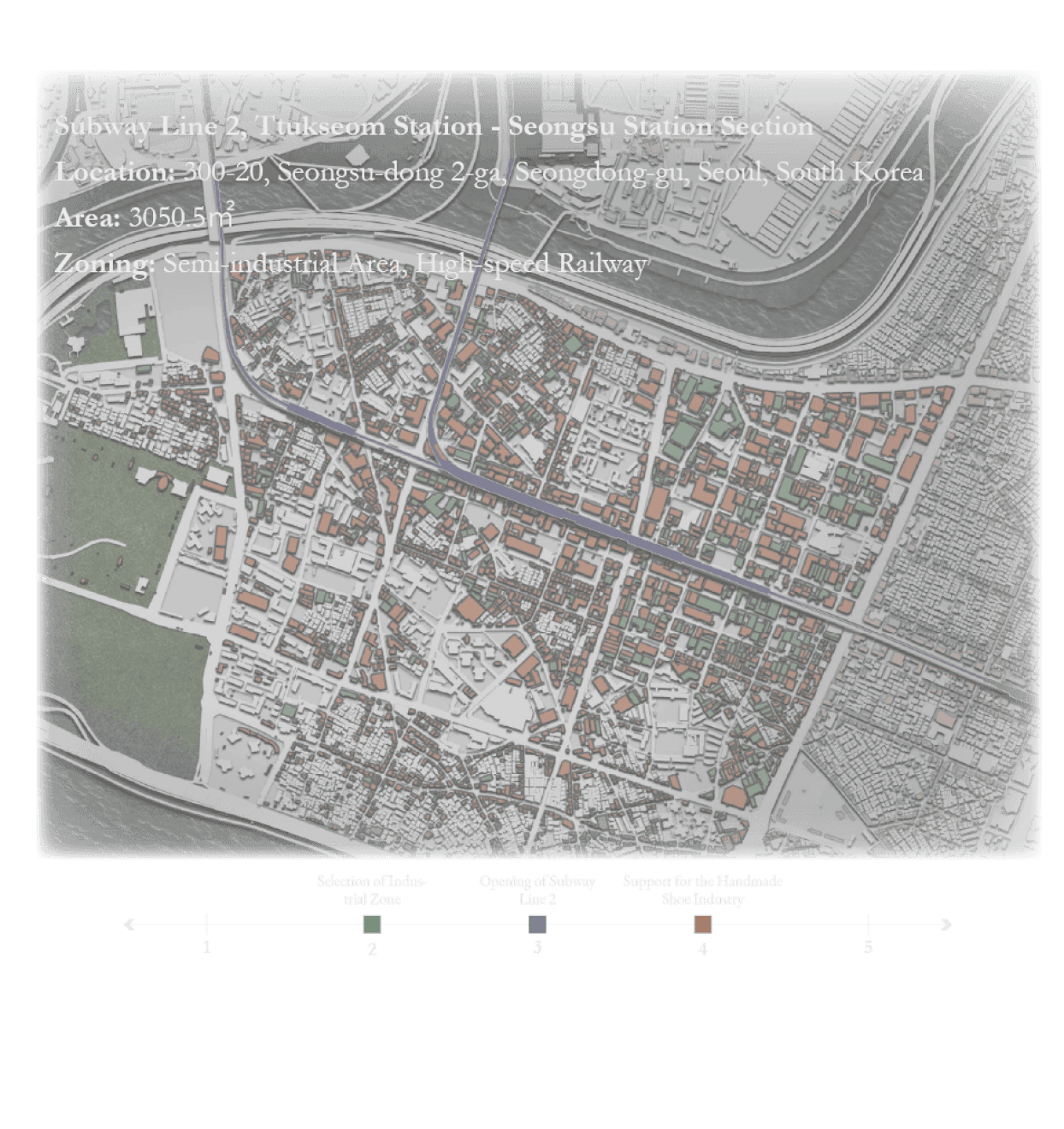
Seoul has evolved and developed into a city of survival, production and consumption, quantity and speed, expansion and diversity, and sustainability. During the period of increased productivity, Seongsu was designated as a key industrial area in 1973 and formed as an industrial zone. In the era focused on quantity and speed, the section from Sinseoldong to Jamsil Sports Complex Station was opened, marking the construction of the first line of Subway Line 2. Seongsu-dong expanded its diversity, maintaining its original character while developing into a region that expresses various attempts and individuality. In line with policies implemented in Seongdong-gu, the handmade shoe building nestled between the elevated railway tracks contributed to preserving the hidden diversity of Seongsu.
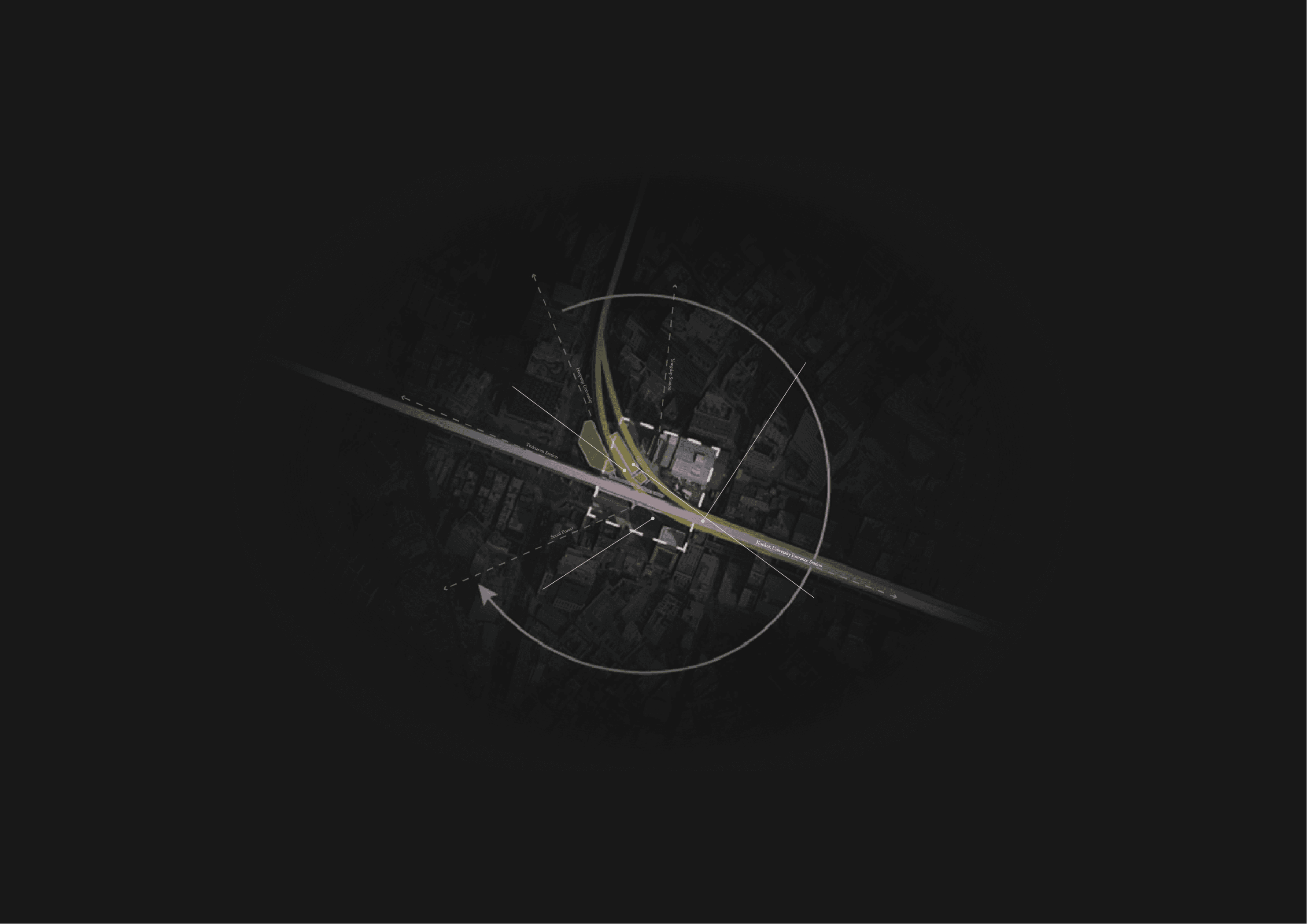
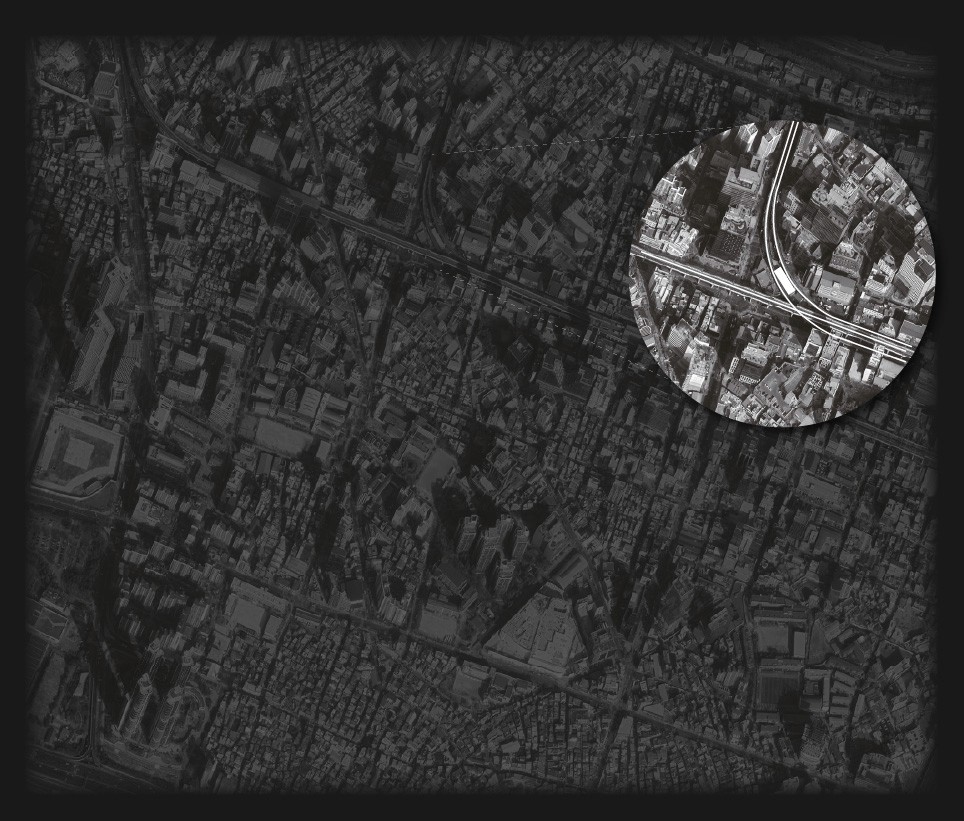
This site has a unique elevated railway structure formed where the Seongsu Line meets the Euljiro main line. Following the policies of Seongsu-dong, the handmade shoe building was constructed between the tracks. The development of the railway and its subsequent adaptations show how Seoul has flexibly developed in response to changing circumstances.
ttukseom Station
seongsu station